Career Pathways
The work of the MSA is designed to support career development, both for individuals and for their employers. In many cases one MSQ (Maritime Studies Qualification) leads neatly on to another at the next level. Most are designed with shared Units so that if someone has learnt, for example, basic navigation skills in one context they will not need to go over that ground again if they move to another part of the maritime sector (though, of course, the practical application of that core knowledge may be different).
Below you will find introductory information related to the variety of sectors that our membership represent, we suggest visiting our member’s independent websites (listed on our home page) for more information on each sector, or visiting the Merchant Navy Training Board’s “Careers at Sea” website for specific guidance to offshore careers.
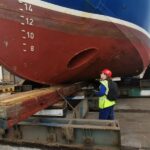
Boat Building:
Boat building demands a unique blend of traditional craftsmanship and modern technical expertise. Core skills include precision woodworking, metalworking, and composite fabrication, alongside a strong grasp of naval architecture and design principles. Boat builders must be adept at interpreting technical drawings, applying safe construction practices, and working with advanced materials such as fiberglass and carbon composites. Equally important are problem-solving abilities, attention to detail, and teamwork, as boat building often involves coordinating across disciplines from engineering to finishing. With sustainability now central to the maritime sector, skills in energy-efficient design and knowledge of emerging propulsion technologies are increasingly vital, ensuring that today’s boat builders are equipped to meet both heritage standards and hi-tech future innovation.
Fishing:
Sea fishing requires a blend of practical seamanship, technical knowledge, and resilience to thrive in demanding marine environments. Core skills include navigation, vessel handling, and the safe operation of fishing gear such as nets, trawls, and lines. Fishermen must understand tides, weather patterns, and sustainable stock management, applying this knowledge to ensure both safety and environmental responsibility. Physical endurance, teamwork, and problem-solving are essential, as fishing often involves long hours in challenging conditions. Increasingly, digital skills—such as using electronic chart systems, catch monitoring tools, and compliance reporting software—are vital to meet modern regulatory standards. Together, these abilities equip sea fishing professionals to balance tradition with innovation, safeguarding livelihoods while supporting sustainable marine ecosystems.
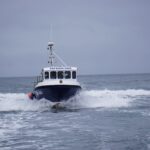
Government Services:
The Government operates a wide range of maritime services that require a diverse skillset that combines operational capability, regulatory enforcement, and public service commitment. Core competencies include advanced navigation, vessel handling in challenging offshore environments, and the safe operation of specialized equipment for monitoring, inspection, and enforcement tasks. From maritime law, environmental protection, and compliance procedures, ensuring that national and international regulations are upheld at sea. Strong communication and coordination skills are essential, as operations often involve collaboration with other agencies such as the coastguard, naval, scientific, and environmental agencies – but also public organisations such as Search and Rescue, Local community groups, Industrial activity and the public themselves. Increasingly, digital proficiency—such as using surveillance systems, electronic reporting tools, and data analysis platforms—is vital to support evidence‑based decision‑making and transparent governance. Together, these skills enable the government to safeguard national interests, regulate, protect marine environments, and provide a trusted oversight of maritime activity.
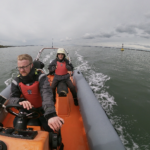
Jack-up Barges
Jack‑up barge operations demand a specialised blend of technical expertise and rigorous safety discipline. Core capabilities include precise barge positioning, safe deployment and retraction of legs, and a deep understanding of seabed conditions and tidal influences. Operators must confidently manage heavy lifting equipment, deck machinery, and construction workers / technical teams – while maintaining clear communication with marine traffic, stakeholders, project teams, and support vessels. Together, these competencies enable jack‑up barge crews to deliver stable, efficient, and safe offshore and nearshore operations that support critical infrastructure, energy security, and marine construction projects.
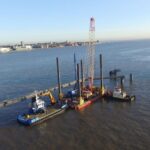
Inshore and River Services:
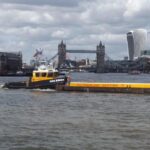
Inshore and River services require a versatile skillset that blends both local knowledge, and operational safety. Core competencies include vessel handling in confined waterways, the safe operation of diverse machinery and an understanding of working in shallow or restricted waters, all whilst maintaining good communication with diverse water users and the public. Professionals must be adept at safe personnel and cargo movements, towage, and coordination with local authorities, ensuring smooth integration with wider transport networks. Strong communication, teamwork, and situational awareness are essential, as operations often involve busy traffic areas and variable river conditions. Together, these abilities enable inshore and river service operators to deliver safe, efficient, and sustainable services that supports local economies and maintains infrastructure along the inshore and inland waterways network.
Leisure Sector:
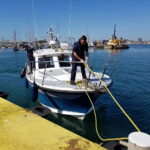
The leisure marine sector requires a diverse skillset that balances creativity, customer service, bespoke applications and safety awareness. Core competencies include the knowledge of engines, sail, high-speed and underwater equipment, and safety gear. Professionals must be adept at maintaining a wide range of vessel types, supporting recreational and sporting activities, and ensuring compliance with maritime safety regulations. Strong interpersonal skills are essential, as leisure marine services often involve guiding, instructing, or assisting customers in a way that maximizes their enjoyment from their time on the water. Increasingly, digital skills—such as using rapidly advancing electronics, booking systems, and energy‑efficient technologies—are vital to meet modern expectations. Together, these abilities enable leisure marine professionals to deliver safe, enjoyable, and sustainable experiences that connect people with the water and promote wider participation in maritime recreation as a whole.
Military:
Military operations at sea demand a highly disciplined skillset that integrates seamanship, technical expertise, and strategic awareness. Core competencies include advanced navigation, vessel handling in diverse and often hostile environments, and the operation of specialized equipment such as weapons systems, communications platforms, and surveillance technologies. Personnel must be trained in maritime law, security protocols, and emergency response, ensuring readiness for both combat and humanitarian missions. Strong teamwork, leadership, and decision‑making under pressure are essential, as military operations often involve complex coordination across units and international partners. Increasingly, digital proficiency—such as using electronic navigation systems, intelligence platforms, and cyber‑secure communication tools—is vital to meet modern defense standards. Together, these skills enable military professionals to safeguard national interests, support global security, and deliver trusted operational capability in challenging maritime environments.
Ports Services (Afloat):
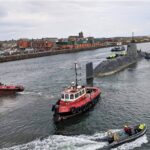
There are also a lot of skills needed in port services afloat, a multifaceted skillset that blends marine operations, logistics, and regulatory compliance. Core competencies include safe vessel handling in offshore environments, working closely with ships making way in and around the port, the operation of transfer systems for cargo, fuel, and personnel, environmental and navigational management and the coordination of pilot services that bring ships into ports safely. Professionals must be proficient in risk management, emergency response, and environmental protection, ensuring that port marine activities meet international safety and sustainability standards. Strong communication and teamwork are essential, as operations often involve collaboration between shipping companies, energy producers, and port authorities. Increasingly, digital skills—such as using remote monitoring systems, electronic reporting tools, and energy management platforms—are vital to support efficiency and transparency. Together, these abilities enable offshore port service providers to deliver reliable, safe, and sustainable support for global trade, energy production, and maritime infrastructure.
Small Commercial Vessels:
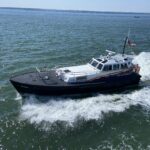
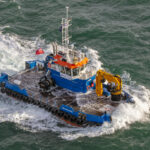
Operating small commercial vessels in ports and at sea demands a versatile skillset that combines seamanship, technical competence, and regulatory awareness. Core skills include safe vessel handling in confined waters, navigation and pilotage, and the operation of onboard machinery and safety systems. Crews must be proficient in cargo handling, passenger management, and communication protocols, ensuring smooth coordination with port authorities and other maritime stakeholders. Knowledge of maritime regulations, including safety codes and environmental compliance, is essential, alongside the ability to apply risk management and emergency response procedures. Increasingly, digital skills such as using electronic navigation systems, energy monitoring tools, and compliance reporting software are vital to meet modern operational standards whilst at the same time the ability to use and maintain large mechanical machinery such as cranes, winches, gangways and engines. Together, these capabilities enable small commercial vessel operators to deliver safe, efficient, and sustainable services that play an often unseen important role in supporting shipping and coastal infrastructure.
Search and Rescue Services:
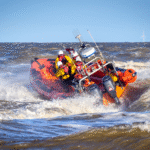
Offshore Search and Rescue services demand exceptional seamanship qualities, technical expertise, and a strong commitment to public safety. Core skills include advanced navigation, vessel handling in extreme conditions and high speed, and the proficient use of lifesaving equipment such as rescue craft, winches, and medical gear. Crews must be trained in emergency response, casualty care, and coordination with coastguard, port authorities, and other agencies to ensure rapid and effective operations. Strong communication, teamwork, and decision‑making under pressure are essential, as missions often involve unpredictable weather, hazardous environments, ever-changing and time‑critical situations. Increasingly, digital competencies—such as operating electronic navigation systems, distress signal monitoring, and incident reporting tools—are vital to meet modern operational standards. Together, these skills enable search and rescue professionals to safeguard lives at sea, uphold maritime safety, and provide a trusted emergency service for coastal and offshore communities/users.
Superyachts:
The superyacht industry demands a highly specialised skillset that blends technical excellence, hospitality, and regulatory compliance together in one package. Core competencies beyond seamanship and navigation include the safe operation of complex onboard systems, from propulsion and energy management to cutting‑edge digital technologies. Crew members must also excel in service delivery, providing world‑class hospitality, catering, and guest care that meet the expectations of a luxury environment. Strong teamwork, discretion, and cultural awareness are essential, as operations often involve international travel and diverse clientele. Knowledge of maritime safety codes, environmental regulations, and sustainability practices is increasingly vital, ensuring that superyacht professionals uphold the highest standards of safety and responsibility. Together, these skills enable the industry to deliver exceptional experiences while supporting innovation, efficiency, and sustainable growth in the luxury maritime sector.

Shipping and Cruise:
Passenger and cargo shipping requires a broad range of skills that combine operational expertise, regulatory compliance, and customer service. Core competencies include safe vessel navigation, cargo stowage and handling, and the management of passenger services to ensure comfort and safety at sea. Professionals must be adept at coordinating logistics, applying international maritime regulations, and maintaining security protocols across diverse routes and port operations. Strong communication and teamwork are essential, as shipping involves close collaboration between crew, port authorities, and global supply chain partners. Increasingly, digital skills—such as using electronic navigation systems, cargo tracking platforms, passenger systems and compliance reporting tools—are vital to meet modern industry standards. Together, these abilities enable passenger and cargo shipping professionals to deliver reliable, efficient, and sustainable transport services that connect communities, enable holidays of a lifetime and support global trade.